Designing Brand Magic: The Elf T-Shirt Graphic for Crafts
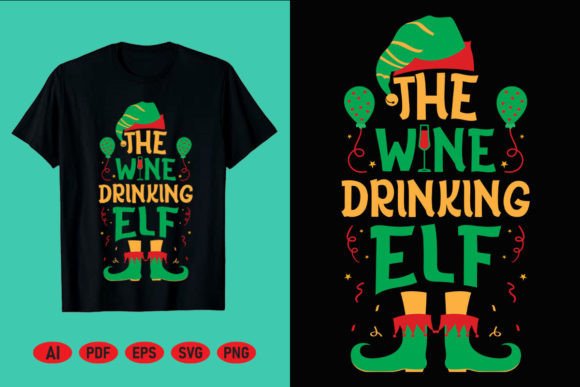
As a brand designer reviewing assets for real client projects, I’m always looking for graphics that can carry an entire visual identity. This morning, I opened the Elf T-Shirt graphic with a specific project in mind: a local handmade children’s boutique preparing their holiday launch. My first impression was immediate. This asset feels playful, festive, and inherently charming. It suggests a brand personality that is whimsical, friendly, and crafts-oriented. It leans towards a decorative, soft aesthetic that would fit perfectly with businesses centered around handmade goods, seasonal products, or family-focused brands.
Building a Cohesive Brand Identity from a Single Graphic
The true value of a design asset like Elf T-Shirt isn’t just in its standalone beauty; it’s in its versatility across a brand’s entire ecosystem. For my boutique client, this graphic can become the cornerstone of their holiday identity. I envision using the vector files to create a subtle logo lock-up, integrating the elf motif with their boutique name. From there, the visual language spreads. The PNG and SVG files are perfect for applying the design to product labels for their holiday-themed clothing, creating custom hang tags for gift items, and designing thank-you cards that feel personal and branded.
This consistency is key for small business branding. A customer who sees the elf graphic on a social media post, then recognizes it on the packaging at pickup, and spots it again on a business card builds a stronger, more trusting relationship with the brand. It transforms a single purchase into a recognizable brand experience.
Practical Applications for Packaging & Promotional Materials
Let’s get into the nitty-gritty of where Elf T-Shirt shines in commercial design. For product packaging, especially in the crafts category, it offers superb shelf appeal. I can use the AI or EPS file to design a full wrap for a candle box or create an accent label for a batch of holiday cookies. The ability to change colors is a massive advantage here. I can test the graphic against the brand’s primary palette, ensuring it complements rather than clashes. For promotional visuals, the ready-to-print files mean I can quickly produce festive flyers, posters for in-store events, and eye-catching price lists that feel cohesive.
For social media graphics and website banners, the transparent PNGs allow for seamless integration. I can overlay the elf design on photos of handmade products, create a series of countdown-to-Christmas posts, or design a promotional ad that feels organic to the brand’s voice. This elevates marketing visuals from generic to purposefully polished.
The Decorative Element: Where to Feature and Where to Fade
A graphic with this level of decorative detail is a powerful tool, but its placement requires strategic thought. It works best as a hero graphic on larger surfaces or as an accent element that supports the overall composition. Think of it as the lead actor on a product mockup for a sweater, the charming centerpiece on a seasonal menu for a cafe, or the decorative border on a boutique’s holiday newsletter.
However, it should be used carefully in areas where information clarity is paramount. On very small labels, like those for ingredient lists on skincare jars, the fine details might become lost or create visual clutter. In formal corporate branding or luxury minimalist contexts, its playful nature might not align with the desired premium, sleek tone. It’s also crucial to avoid placing it directly over critical legal text or on low-contrast backgrounds where readability suffers. The design should enhance the message, not compete with it.
A Designer’s Checklist Before Finalizing Brand Assets
Before I commit to using Elf T-Shirt for any client’s business branding, I run through a series of practical tests. First, I always create a real packaging mockup. Seeing the graphic printed at scale on a physical box reveals nuances that screen previews miss. I check its performance in black and white for any potential monochrome applications, like stamped tags. Previewing it on a small label template ensures the details remain clear at a reduced size.
I test it alongside various font styles—a clean sans serif for modernity, a playful script for whimsy, a sturdy serif for tradition—to see how it interacts with typography. Crucially, I confirm the commercial licensing of the digital product. Using a graphic for physical product sales, like on clothing or packaging, requires explicit permission for commercial use, a step no professional designer should skip.
Supporting the Small Business Story Through Visuals
Ultimately, a graphic design asset like Elf T-Shirt is more than clipart; it’s a building block for narrative. For a local florist, it could adorn the tags on holiday wreaths, telling a story of festive craftsmanship. For a home decor shop, it could become the pattern on limited-edition fabric, creating an emotional connection with customers seeking cozy, handmade charm. It strengthens the first impression a business makes, clarifies its visual hierarchy, and polishes its public presentation.
By thoughtfully applying this asset across logo design, product labels, and social media graphics, a small business owner can project a more professional, consistent, and trustworthy brand identity. It helps a handmade soap business look curated, a children’s product brand feel enchanting, and a seasonal campaign look cohesive. In the crowded marketplace, that polished, intentional visual identity is often the quiet magic that turns a local business into a local favorite.