Cat Cady: A Playful Graphic Asset for T-Shirt Designs & Branding
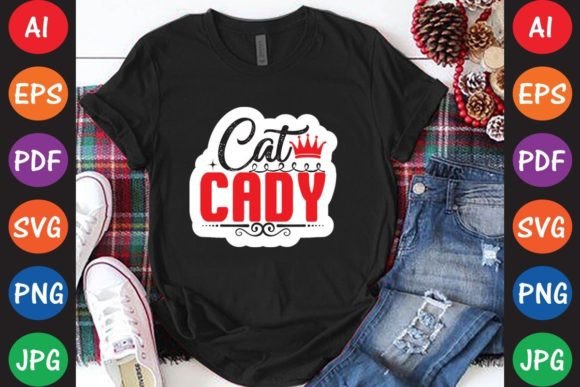
When I first opened the files for the Cat Cady design asset, my immediate impression was of a cheerful, approachable character. The illustration style leans into a friendly, hand-drawn aesthetic that feels current and marketable. It creates a mood of lighthearted charm, perfect for projects targeting audiences who appreciate a touch of whimsy and personality. This isn’t a corporate mascot; it’s a character that feels ready for a handmade business, a boutique product line, or a community-focused brand.
The Right Project Fit for a Character-Driven Design
In a recent project for a local cat cafe launching a new line of merchandise, I needed a central graphic that was instantly likable and adaptable. Cat Cady would have been a strong contender. Its style naturally fits client work where emotional appeal and audience engagement are paramount. Think Etsy shops selling pet-themed products, small business branding for a craft store, or seasonal campaign visuals for a community event. The design asset supports a visual direction that is polished yet personal, avoiding the coldness of overly slick stock art.
Performance in Real-World Design Applications
Beyond the obvious t-shirt design application, a versatile graphic like this shines across multiple formats. In product mockups, it can serve as a hero graphic for a tote bag or a decorative accent on a mug. For packaging design, it could be a delightful detail on a sticker seal or a product label. In digital spaces, it translates well into social media graphics, particularly Instagram posts or Pinterest pins aiming for a warm, relatable tone. It could anchor a Canva template for a blogger’s printable or become a central illustration in web design for a niche brand.
However, its use in editorial design or as a primary logo design requires careful consideration. The detail and specific style might conflict with very clean visual hierarchy needed for professional corporate materials. It's a supporting brand element, not typically a foundational logo.
Where This SVG Design Excels and Where It Requires Caution
Cat Cady works best in larger layout areas where its character can be fully appreciated. As a hero graphic on a poster or flyer, or as a large decorative element on printable wall art, its charm is maximized. It’s ideal for themed collections, like a series of stickers or a campaign visual for a pet adoption event. The included file formats—AI, EPS, SVG, PNG, and PDF—mean it’s ready for both digital design assets and print-ready commercial design.
Use should be more careful in small sizes, as finer details might become lost. On crowded layouts, it could compete with other elements rather than complement them. Placing it on complex backgrounds or low-contrast designs would dilute its impact. For projects demanding minimalist branding, this asset would likely feel too ornate.
The Impact on Brand Perception and Practicality
Integrating a graphic like this affects the overall impression of a project. It boosts emotional appeal and can enhance visual trust for brands wanting to feel authentic and handmade. For audience engagement, a friendly character often performs well. However, professionalism is maintained by how it’s used—it must be integrated thoughtfully to ensure brand consistency and not feel like a random clipart addition.
From a technical standpoint, the provided PNG with transparency is crucial for overlaying on mockups or digital ads. The vector formats (AI, EPS, SVG) allow for essential edits—scaling infinitely for large format prints or adjusting colors for brand alignment. This editability is a key advantage for a design asset intended for commercial use.
Essential Designer Checks Before Client Deployment
Before committing this asset to a real client project, I run a series of practical tests. First, I check its behavior in black and white to ensure it retains form without color-dependent details. I test contrast on both light and dark backgrounds to guarantee readability. Previewing it at small sizes (like on a social media profile icon) and large sizes (like on a banner) reveals any scaling issues.
I place it on real product mockups—a t-shirt, a mug, a tote—to see how it sits on actual products. A test print, even at home, confirms the print quality and color rendering. I review the SVG file’s structure to ensure paths are clean for Cricut projects or further illustration edits. Comparing it with different font styles—a sleek sans-serif for modern design, a playful script for handmade business vibes—helps see how it pairs for marketing visuals.
Finally, and most critically, I confirm the commercial licensing. Using a digital product for a client’s brand identity, packaging design, or print-on-demand store requires unambiguous rights. Only with that secured can Cat Cady move from a creative marketplace download to a trusted part of a professional design toolkit.
A Final Thought on Versatility
Cat Cady, as a graphic design asset, represents a useful middle ground. It’s not so generic that it lacks personality, nor so niche that it’s unusable. For designers, brand owners, and content creators working in spaces that value warmth and character, it’s a ready-made solution that can speed up creative workflow while adding a polished, cohesive touch to the final design direction. Its strength lies in its adaptability across both print and digital mediums, making it a practical consideration for a wide range of real client projects.